Swap BTC to Lightning Sats: A Step-by-Step Guide
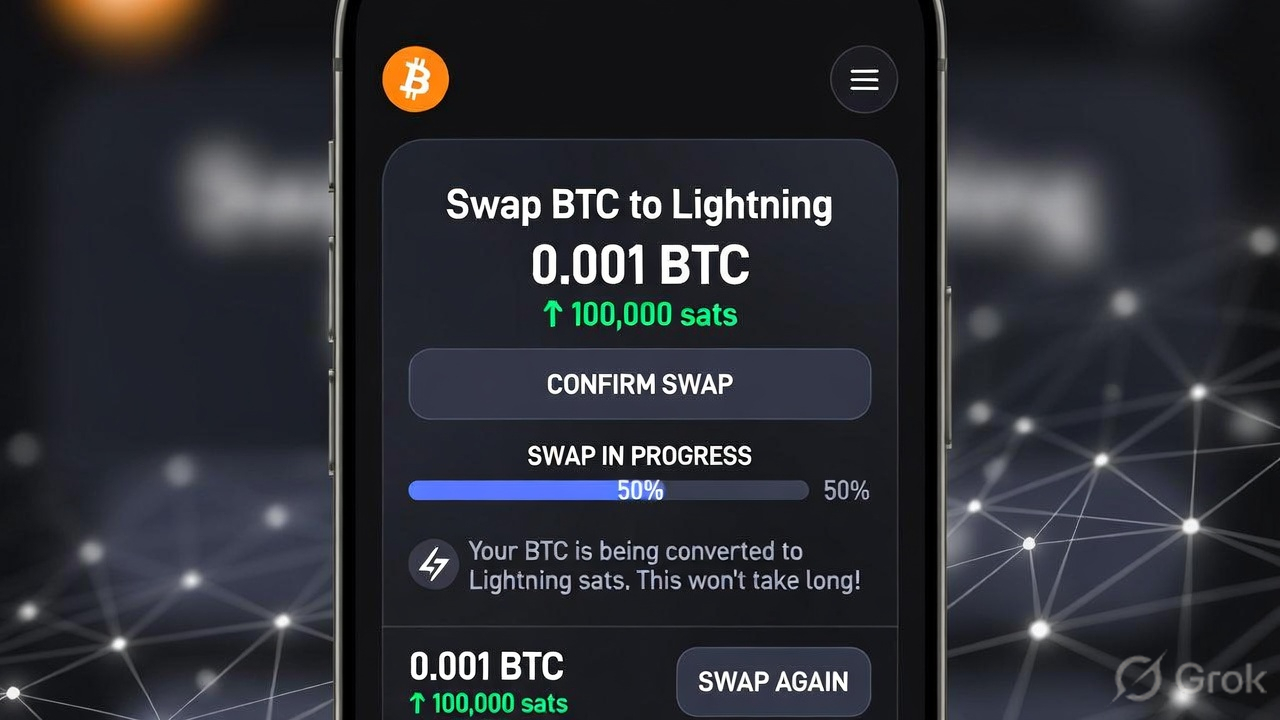
Swap BTC to Lightning Sats: A Step-by-Step Guide
As Bitcoin usage grows, many users look for practical ways to move value quickly without sacrificing understanding or control. Searches like BTC to Lightning swap and sats conversion usually come from people who already understand basic Bitcoin concepts and now want to use Lightning for faster, everyday payments. The idea sounds technical, but the goal is simple: convert on-chain Bitcoin into Lightning sats so payments can happen instantly and with low fees.
This guide explains converting Bitcoin to Lightning in clear, beginner-friendly terms. You’ll learn what actually happens during a BTC-to-Lightning swap, how sats fit into the process, and why modern tools make this transition smooth. We’ll also cover common mistakes, best practices, and how platforms like Swapso make seamless crypto swapping feel intuitive-without hype or unnecessary complexity.
Introduction: Why Users Move BTC to Lightning
Bitcoin’s base layer prioritizes security and finality. That’s ideal for settlement and holding, but it’s not always the best fit for frequent or time-sensitive payments. This is where Lightning comes in.
For beginners, the challenge isn’t deciding whether Lightning is useful-it’s understanding how BTC becomes Lightning sats. Terms like atomic swaps or off-chain balances can feel overwhelming when they’re not explained clearly.
This article walks through the process step by step. It explains the logic behind BTC-to-Lightning swaps, shows how sats are used on Lightning, and highlights good habits to follow along the way. The goal is clarity: understanding what you’re doing and why, so the experience feels confident and intentional.
What Does “Swap BTC to Lightning Sats” Mean?
Swapping BTC to Lightning sats means moving value from the Bitcoin base layer into the Lightning Network so it can be used for instant payments.
In simple terms:
BTC exists on the Bitcoin blockchain
Lightning uses sats (the smallest Bitcoin units) off-chain
A swap bridges value from on-chain BTC to Lightning sats
How BTC to Lightning Swaps Work
At a high level, a BTC-to-Lightning swap follows a predictable flow:
You start with BTC on-chain
You initiate a swap to Lightning
BTC funds a Lightning balance
You receive sats on Lightning
Behind the scenes, modern systems use atomic swaps or similar mechanisms to ensure the exchange happens as a single, consistent process-so value isn’t lost or duplicated.
“Good systems move value without asking users to understand every internal detail.”
Step-by-Step: Converting Bitcoin to Lightning Sats
Here’s a clear, user-level walkthrough of the process.
Step 1: Start With On-Chain BTC
Ensure you have Bitcoin available on the base layer. This is the source value for the swap.
Step 2: Choose the Amount to Convert
Decide how much BTC you want to move into Lightning. Many users start small to get comfortable.
Step 3: Initiate the Swap
The platform handles the conversion, moving value from on-chain BTC to Lightning sats.
Step 4: Receive Lightning Sats
Once complete, your Lightning balance reflects the sats, ready for instant payments.
Why Sats Are Used on Lightning
Lightning operates using satoshis because:
They’re small and precise
They simplify everyday payments
They align with Bitcoin’s divisibility
Using sats keeps Lightning intuitive. Instead of dealing with tiny BTC decimals, users work with whole numbers that feel more natural.
Seamless Crypto Swapping: What Makes It Smooth?
A smooth BTC-to-Lightning swap depends on:
Clear transaction previews
Transparent balances before and after
Minimal steps for the user
Strong guarantees that value moves safely
When swaps are designed well, users focus on why they’re using Lightning—not how it works internally.
Common Risks, Mistakes, and How to Avoid Them
The swap itself is straightforward, but beginners sometimes rush.
Common mistakes:
Swapping without understanding the purpose
Converting too much at once
Not checking balances post-swap
Treating Lightning balances like long-term storage
Lightning is optimized for payments, not holding. Keeping that distinction in mind helps users avoid confusion.
Practical Advice for First-Time Users
If this is your first BTC-to-Lightning swap:
Start with a small amount
Confirm balances before and after
Use Lightning for fast payments
Move funds back on-chain when needed
This approach builds confidence without pressure.
BTC to Lightning on Swapso: Designed for Clarity
Platforms matter when moving between layers. Swapso integrates BTC-to-Lightning swaps with a focus on self-custody and user understanding.
With Swapso:
Users retain control during swaps
Balances are shown clearly in BTC and sats
Lightning usage feels intentional, not technical
The emphasis is on clarity over complexity, helping users move value between layers while understanding what’s happening.
If you want to use Bitcoin for instant, low-friction payments, swapping BTC to Lightning sats is a natural step. Using platforms designed for seamless swapping-like Swapso-helps users make that transition confidently, without losing sight of ownership or understanding.
Speed works best when it’s built on clarity.
Frequently Asked Questions (FAQs)
1. What is a BTC to Lightning swap?
It’s the process of moving value from on-chain Bitcoin into Lightning sats for fast payments.
2. Are Lightning sats different from Bitcoin?
No. Sats are simply smaller units of Bitcoin used on Lightning.
3. Is converting Bitcoin to Lightning safe?
Yes, when done through systems designed to handle swaps correctly.
4. Should I keep all my Bitcoin on Lightning?
No. Lightning is best for payments; on-chain Bitcoin is better for holding.
5. Can I move sats back to on-chain BTC?
Yes. Value can be moved back when needed.