What is Bitcoin? A Beginner’s Guide to the World’s First Cryptocurrency

Bitcoin is often described as digital money, but that explanation alone does not do justice to what it actually represents. For someone new, searching terms like what is Bitcoin, Bitcoin beginner guide, or cryptocurrency introduction can feel overwhelming because most explanations quickly become technical or confusing. This guide is written to change that.
Instead of assuming prior knowledge, this article breaks down Bitcoin basics in simple language- what Bitcoin is, why it was created, and how Bitcoin works at a foundational level. You will also understand how people use Bitcoin today and what common mistakes beginners should avoid.
Most importantly, this guide focuses on understanding Bitcoin calmly and clearly, without hype, fear, or speculation. By the end, you should feel confident enough to decide how you want to engage with Bitcoin in a way that aligns with your comfort and values.
Introduction: Understanding Bitcoin Without the Noise
When people hear about Bitcoin for the first time, it is usually surrounded by noise- strong opinions, complex jargon, or unrealistic claims. This creates a problem: beginners struggle to separate what Bitcoin actually is from how it is talked about online.
Bitcoin was created as an alternative way to hold and transfer value digitally, without relying entirely on traditional financial intermediaries. It was not designed to be complicated, but the way it is often explained makes it seem inaccessible.
This beginner guide provides context, not pressure. It focuses on what Bitcoin does, why it exists, and how it works at a high level, while avoiding predictions or fear-driven narratives. The goal is simple: help first-time users understand Bitcoin clearly so they can make informed decisions with confidence.
What Is Bitcoin?
Bitcoin is a digital form of money that operates on a decentralized network. Unlike traditional money, it is not issued or controlled by a single authority. Instead, it runs on a shared public system where transactions are verified collectively.
At its core, Bitcoin allows people to:
Send value directly to one another
Store value digitally
Verify transactions transparently
Think of Bitcoin as a public digital ledger that anyone can inspect, but no single entity controls. Every transaction is recorded, and once recorded, it cannot be easily altered.
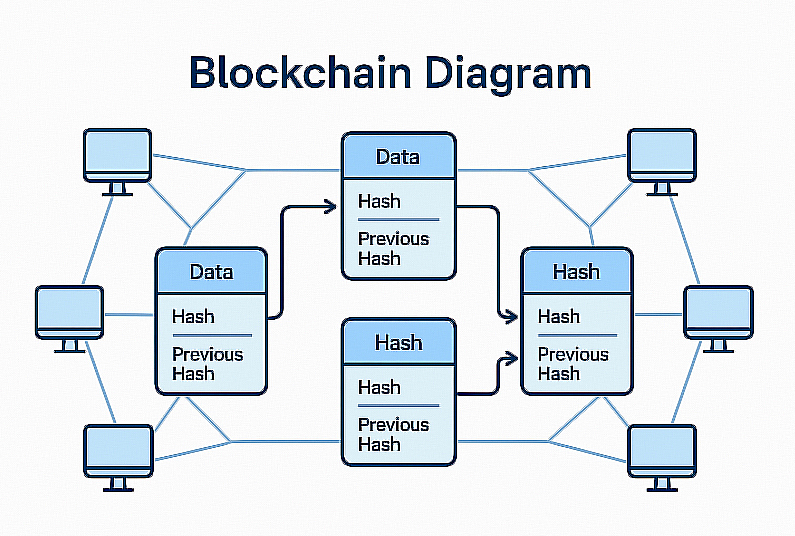
How Bitcoin Works?
Understanding how Bitcoin works does not require technical expertise. At a high level:
A user initiates a Bitcoin transaction
The transaction is broadcast to the network
The network verifies it using cryptographic rules
The transaction is recorded permanently
This process removes the need for intermediaries to manually approve transactions. Instead, trust is built into the system through transparency and verification.
This design is why Bitcoin is often associated with user responsibility- the system gives individuals more control, but also expects them to understand how they store and manage their Bitcoin.
Real-World Use Cases of Bitcoin
Bitcoin is not just a concept; it is used in practical ways today:
Long-term holding as a digital asset
Peer-to-peer value transfer
Gifting Bitcoin to friends or family
Learning tool for understanding digital finance
Common Risks and Mistakes Beginners Make
Bitcoin itself is not inherently confusing- most issues come from misunderstanding how to interact with it.
Common mistakes include:
Not understanding who controls the Bitcoin
Ignoring basic security practices
Treating Bitcoin like a short-term trend instead of a system
Relying entirely on third parties without understanding custody
These are not reasons to avoid Bitcoin. They are reasons to learn before acting.
“The biggest risk is not learning how something works before using it.”
Practical Advice for First-Time Bitcoin Users
If you are just starting out, keep these principles in mind:
Learn the basics before using real value
Understand where your Bitcoin is stored
Choose tools designed for clarity and control
Take a long-term, calm approach
Bitcoin rewards patience and understanding more than speed. The more clearly you understand the system, the more confident you become.
Self-Custody and User Control
One of Bitcoin’s core ideas is ownership. This means users can hold Bitcoin in a way where control remains in their hands rather than being fully dependent on third parties.
For people who value transparency and independence, self-custody solutions exist to support this approach while keeping the experience beginner-friendly.
If your goal is to hold Bitcoin while keeping control in your own hands, using tools built around self-custody can make a meaningful difference. Platforms like SwapSo are designed to support this philosophy by focusing on clarity, user control, and simple workflows- without overwhelming first-time users.
Rather than pushing complexity, such tools help users interact with Bitcoin in a way that feels understandable and responsible.
Frequently Asked Questions (FAQs)
1. Is Bitcoin difficult to understand for beginners?
No. While it is often explained in complex terms, the core idea of Bitcoin is simple when broken down properly.
2. Do I need technical knowledge to use Bitcoin?
Basic understanding is enough. You do not need to be technical, but learning fundamentals helps you avoid mistakes.
3. Can Bitcoin be held without relying on third parties?
Yes. Self-custody solutions allow users to hold Bitcoin while maintaining control.
4. Is Bitcoin only for experienced users?
No. Bitcoin is designed to be open to anyone willing to learn its basics.
5. Why is user control emphasized so much?
Because Bitcoin’s design removes intermediaries, responsibility naturally shifts toward the user.
Bitcoin is best understood not as hype or fear, but as a system built around transparency and user responsibility. When explained simply, it becomes accessible- even for first-time users. The key is choosing knowledge and tools that prioritize clarity, control, and trust.