Securing Your Bitcoin: Best Practices for Self-Custody Users
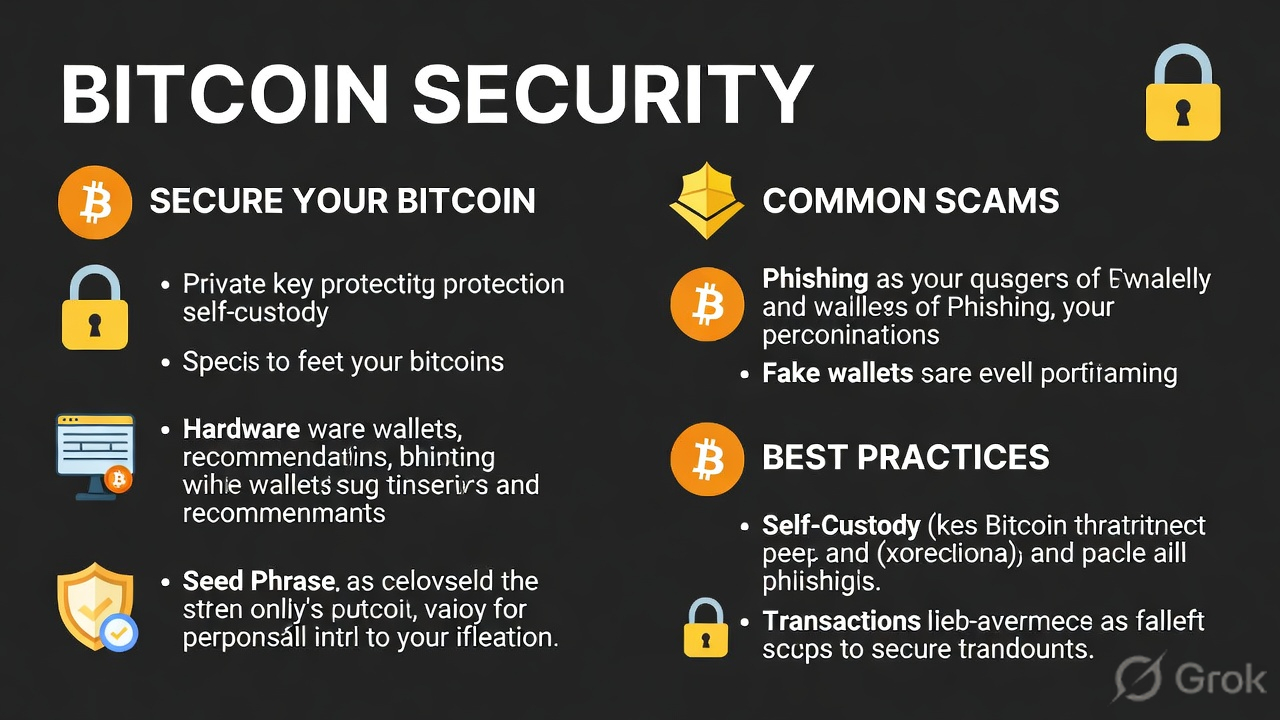
Securing Your Bitcoin: Best Practices for Self-Custody Users
As more people learn about Bitcoin ownership, searches like Bitcoin security tips and self-custody best practices are becoming common. This is a natural step. Once users understand what Bitcoin is and how self-custody works, the next question is how to protect it properly. Security, however, does not have to feel intimidating or technical.
This guide explains Bitcoin security in simple, practical terms. We’ll cover foundational ideas such as wallet backup strategies, phishing prevention, and how hardware wallet integration fits into a self-custody setup. Rather than focusing on worst-case scenarios, this article focuses on calm, everyday habits that help users build confidence over time. The goal is not fear or urgency, but understanding-so users can secure their Bitcoin responsibly while staying in control.
Introduction: Why Bitcoin Security Starts With Understanding
Bitcoin security is often talked about in dramatic terms, which can make beginners feel nervous before they even begin. In reality, Bitcoin security is less about complex tools and more about clear ownership and good habits.
Self-custody gives users direct control over their Bitcoin. With that control comes responsibility, but not burden. When security practices are understood properly, they become routine rather than stressful.
This article explains how self-custody users can approach Bitcoin security in a balanced way. We’ll look at practical steps that protect Bitcoin without overwhelming the user, and explain why clarity is the strongest form of security. By the end, you’ll see that securing Bitcoin is a process of learning-not something to fear.
What Does Bitcoin Security Mean in Self-Custody?
In self-custody, Bitcoin security means protecting access, not guarding a physical object. Bitcoin itself exists on the network; what users protect are the keys that prove ownership.
In simple terms:
Control comes from cryptographic keys
Security is about managing access to those keys
Good systems make this understandable
Core Bitcoin Security Principles for Beginners
Before diving into tools, it helps to understand a few guiding principles:
Ownership equals responsibility
Simplicity reduces mistakes
Understanding prevents panic
Security is a habit, not a one-time action
These ideas form the foundation of all self-custody best practices.
“Strong security comes from calm awareness, not constant worry.”
Wallet Backup Strategies: Protecting Access
One of the most important aspects of Bitcoin security is having a reliable wallet backup. Backups ensure that access can be restored if a device is lost or replaced.
Good backup practices include:
Creating the backup during setup
Storing it in a secure, private location
Keeping it offline
Ensuring it’s readable and complete
Like this there will be 12 word seed phase for your account.
Phishing Prevention: Staying Aware Without Fear
Phishing is a common concern in all digital systems, not just Bitcoin. The good news is that basic awareness goes a long way.
Simple phishing prevention habits:
Never share recovery information
Verify sources before taking action
Use wallets that explain requests clearly
Pause before responding to unexpected prompts
Phishing relies on urgency and confusion. Calm, informed users are naturally resistant to it.
Hardware Wallet Integration: When and Why It Helps
A hardware wallet is a device designed to keep keys offline. For some users, integrating a hardware wallet into their setup adds an extra layer of protection.
Hardware wallet integration:
Keeps keys offline
Adds separation between devices and access
Supports long-term holding strategies
Avoiding Common Security Mistakes
Most Bitcoin security issues come from rushing, not lack of intelligence.
Common mistakes include:
Skipping backup verification
Ignoring basic wallet explanations
Overcomplicating security too early
Treating Bitcoin like reversible systems
Bitcoin security improves when users slow down and understand each step.
Everyday Security Habits That Make a Difference
Good security is built through consistent habits:
Reviewing transactions before confirming
Keeping software up to date
Understanding wallet notifications
Maintaining clear records of setup steps
These habits require attention, not technical skill.
Security and User Experience: Why Design Matters
Security is strongest when users understand what they’re doing. Wallets designed with clarity reduce mistakes by guiding users instead of overwhelming them.
Platforms like Swapso emphasize clear self-custody workflows, helping users understand ownership, backups, and transaction behavior without adding unnecessary complexity. This design philosophy supports security through education, not pressure.
If you want to secure your Bitcoin while keeping full control, self-custody paired with good habits is the most reliable approach. Using platforms designed around clarity and user ownership-such as Swapso-helps make security feel manageable and intentional, rather than intimidating.
Bitcoin security works best when it’s built on understanding.
Frequently Asked Questions (FAQs)
1. Are self-custody wallets safe for beginners?
Yes, when users take time to understand basic security practices.
2. How important is a wallet backup?
Very important. It ensures access can be restored if a device is lost.
3. Do I need a hardware wallet immediately?
No. Many users start without one and add it later.
4. How can I avoid phishing attempts?
By staying calm, verifying sources, and never sharing recovery information.
5. Is Bitcoin security mostly technical?
No. It’s mostly about awareness and good habits.